null

Adaptive Clothing for Autism, Dementia, Alzheimer’s, Parkinson’s & Mobility Needs

Clothing designed for easier dressing, anti‑strip safety, wheelchair comfort, and caregiver support. Our adaptive apparel helps families and care communities create calmer, faster, more dignified dressing routines.

We provide adaptive clothing that finally understands the people who wear it — supporting autism, dementia, Alzheimer’s, Parkinson’s, seniors, and individuals with mobility or medical needs.

Why Adaptive Clothing Matters

Adaptive clothing provides safer, easier, and more dignified dressing solutions for individuals with autism, dementia, Alzheimer’s, Parkinson’s, developmental disabilities, mobility challenges, and medical needs. These garments use secure closures, reinforced fabrics, sensory‑friendly materials, and medical‑access openings to support both wearers and caregivers.

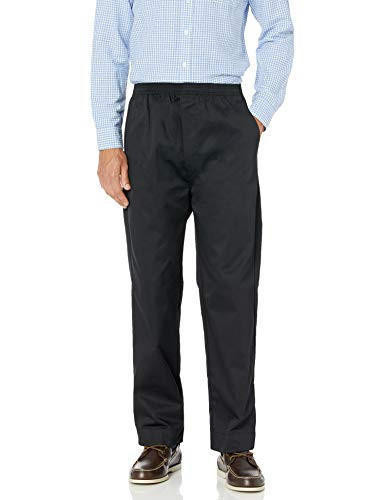
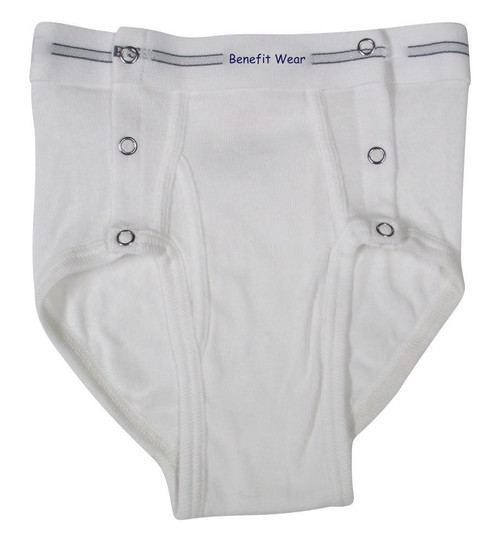
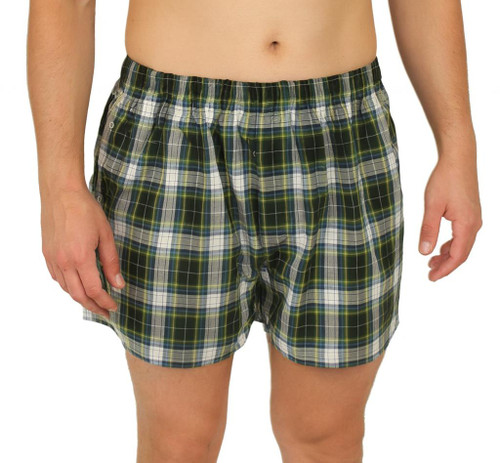
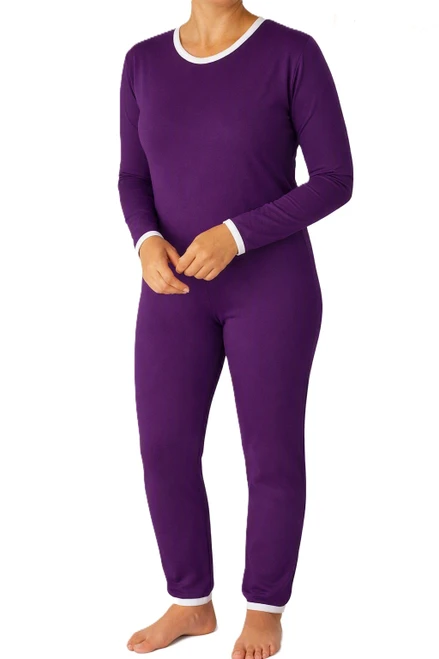
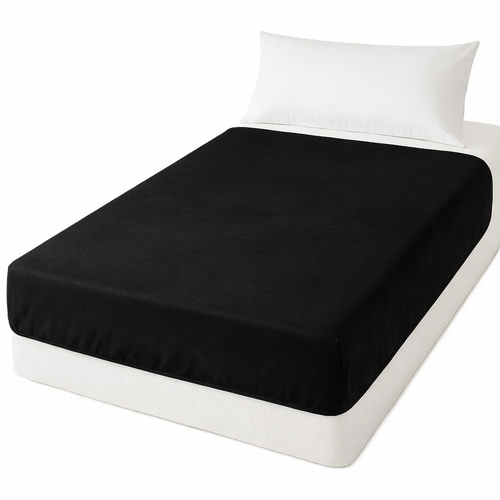
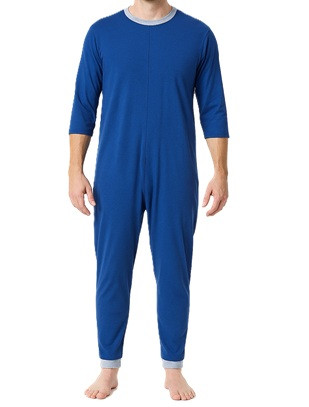
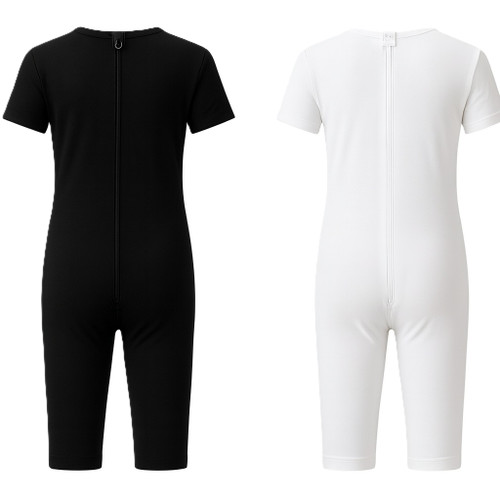
Our collection includes anti‑strip jumpsuits, anti‑tear garments, wheelchair‑friendly outerwear, sensory‑friendly tops, adaptive pants, incontinence‑friendly undergarments, and wipe‑clean bedding designed for real‑world care environments. Each item is built to reduce undressing behaviors, support mobility limitations, simplify hygiene routines, and create calmer daily care.

Families, caregivers, group homes, schools, and residential programs rely on adaptive clothing to improve comfort, safety, and independence. Every garment is thoughtfully designed to protect dignity and make daily dressing faster, easier, and more supportive for everyone involved.

Why Families & Caregivers Choose Adaptive Clothing Showroom

  • Anti‑strip and safety apparel designed to prevent undressing and support autism, dementia, Alzheimer’s, and behavioral needs
  • Easy‑dress adaptive clothing including tops, pants, onesies, jumpsuits, sleepwear, and outerwear that simplify daily dressing for caregivers
  • Wheelchair‑friendly designs with wide openings, soft fabrics, and pressure‑free access points for seated comfort and easier dressing
  • Incontinence‑friendly solutions such as adaptive undergarments and secure one‑piece garments that support hygiene and reduce stress
  • Adaptive bedding and protective garments for cleaner rest, easier nighttime care, and safer environments for individuals with medical or behavioral needs

Featured Products

Most Popular Products

New Products

Frequently Asked Questions About Adaptive Clothing

What is adaptive clothing?
Adaptive clothing is specially designed apparel that uses secure closures, easy‑access openings, and sensory‑friendly materials to make dressing safer and more comfortable for individuals with mobility, medical, or behavioral needs.

Who benefits from adaptive clothing?
Individuals with autism, dementia, Alzheimer’s, Parkinson’s, developmental disabilities, mobility challenges, or incontinence — along with caregivers who need faster, safer, and calmer dressing routines.

What makes anti‑strip clothing different?
Anti‑strip garments use secure back zippers, reinforced seams, and one‑piece designs to prevent unwanted undressing, protect dignity, and keep individuals safe in home or care environments.

Is adaptive clothing wheelchair‑friendly?
Yes. Many adaptive garments include wide openings, soft fabrics, and pressure‑free access points that make dressing in a seated position easier and more comfortable.

Do caregivers benefit from adaptive clothing?
Absolutely. Adaptive clothing reduces dressing struggles, shortens daily routines, improves safety, and helps create calmer, more predictable care environments.

Recent Updates

The Day His Hands Stopped Cooperating — A Parkinson’s Caregiver Story

When Daniel was diagnosed with Parkinson’s, his wife, Leah, thought the hardest part would be the tr

A Morning That Changed Everything — One Caregiver’s Story

Mornings used to be the hardest part of the day. Before the sun rose, before coffee, before the worl

The Real-Life Challenges Caregivers Face — And How Adaptive Clothing Makes Every Day Easier

Caring for a loved one with autism, dementia, Alzheimer’s, Parkinson’s, or mobility challenges is an