

Clothing for Children with Autism
Posted by BenefitWear.com on 9th Mar 2026
Why Some Children With Autism Remove Their Clothing — And How Caregivers Can Help
Children on the autism spectrum or with Sensory Processing Disorder often experience the world through heightened sensory input. Clothing, which most people barely notice, can feel overwhelming, scratchy, tight, or distracting. For some children, removing their clothes becomes a way to communicate discomfort, regulate their bodies, or seek relief from sensory overload.
This behavior is far more common than many caregivers realize, and while it can be challenging, it is also understandable once you know what’s driving it.
Understanding Why Children Undress
Several sensory and developmental factors can lead to self‑undressing:
- Fabric sensitivity — Certain materials feel itchy, hot, or irritating.
- Tags, seams, or elastic — Even small details can feel unbearable to a child with tactile sensitivity.
- Reactions to detergents or scents — Smells or residues can trigger discomfort.
- A need to access their diaper — Some children remove clothing to reach or adjust their diaper.
- Overheating — Many children with sensory differences struggle with temperature regulation.
- Seeking sensory input — Skin exposure or pressure changes can feel calming or stimulating.
These behaviors are not misbehavior or defiance. They are communication.
Why This Behavior Is Challenging for Families
Self‑undressing can happen at home, at school, in public, during car rides, or at night. Caregivers often describe it as one of the most stressful behaviors to manage because it affects:
- Safety
- Hygiene
- Social comfort
- Dignity
- Sleep routines
Parents may feel embarrassed, overwhelmed, or unsure how to respond — all completely valid reactions.
How Adaptive Clothing Can Help
Adaptive one‑piece garments are a gentle, effective way to reduce self‑undressing without restricting movement or comfort.
Back‑zip one‑piece underwear
These garments prevent easy access to diapers and stay securely in place. Because the zipper is in the back, children cannot reach it independently.
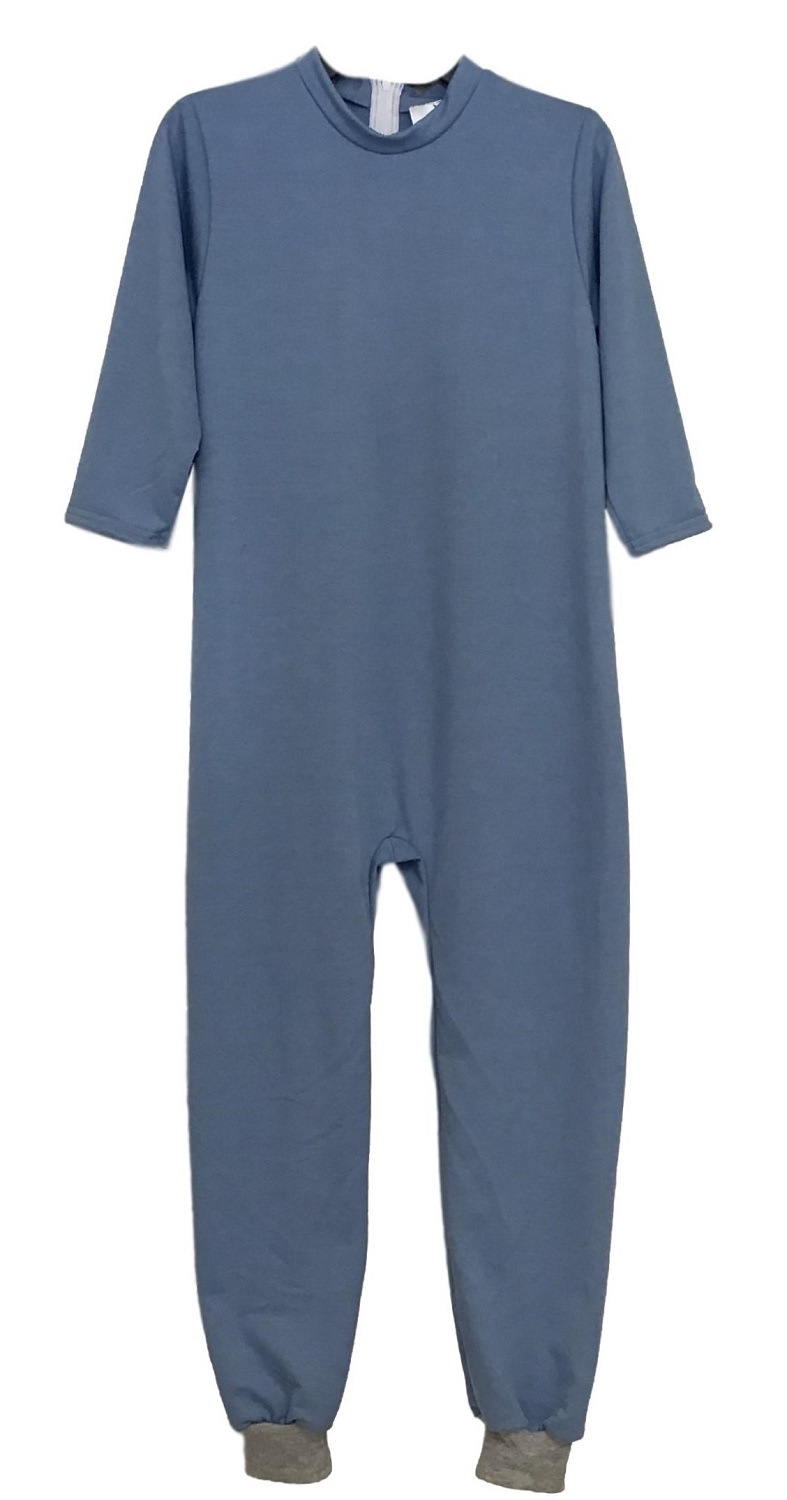
Back‑zip jumpsuits
Ideal for nighttime or as a warm under‑layer in colder months, jumpsuits provide full coverage and reduce opportunities for undressing.
Optional security buckles
For children who are especially dexterous, a small buckle adds an extra layer of security without adding discomfort.
Sensory‑friendly fabrics
Soft, tagless, breathable materials reduce irritation and help children feel more comfortable in their clothing.
These solutions don’t “stop” the behavior — they simply remove the triggers and opportunities that lead to it.
Supporting Your Child With Compassion
Every child deserves comfort, dignity, and understanding. When a child removes their clothing, they are telling us something: “This doesn’t feel right to me.” Adaptive clothing helps meet their sensory needs while giving caregivers peace of mind.
The goal is not to control the child — it’s to support them with clothing that works with their sensory system, not against it.